
Aerobic Exercise in Pregnancy?

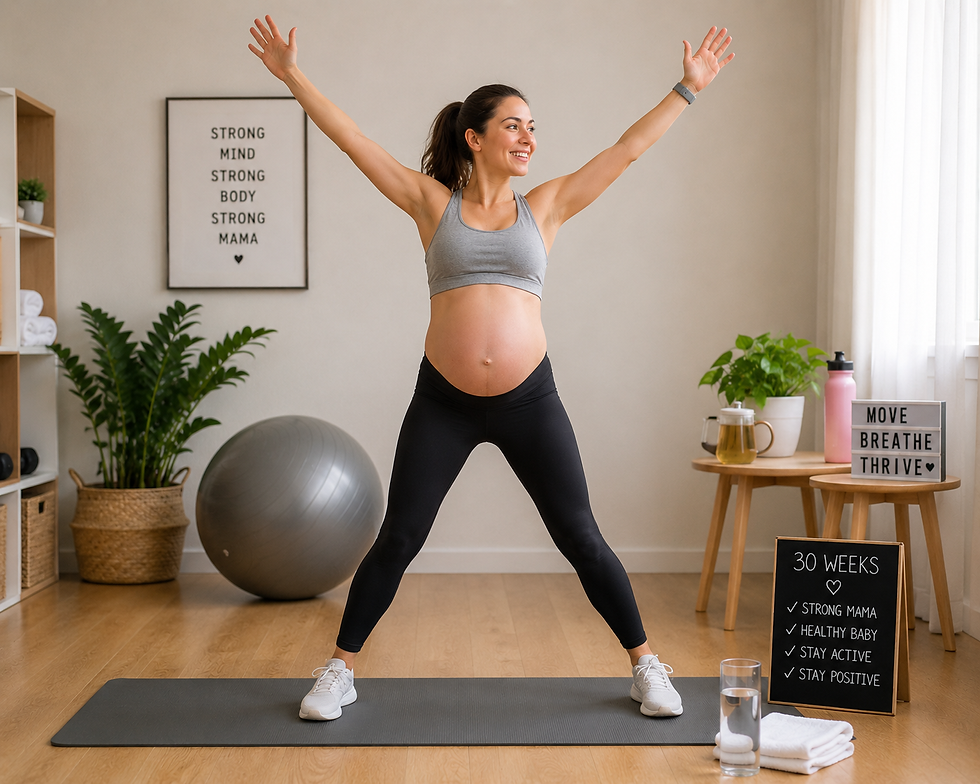
Aerobic exercise during pregnancy is one of the best things you can do for both yourself and your baby. Unless your healthcare provider has advised otherwise due to a medical condition or pregnancy complication, regular moderate-intensity aerobic exercise is considered safe and highly beneficial.
1. Improves Cardiovascular Health
Your heart works much harder during pregnancy. Aerobic exercise strengthens your heart and lungs, making everyday activities easier and helping your body adapt to the increased demands of pregnancy.
2. Boosts Energy Levels
Although it may seem counterintuitive, regular movement reduces fatigue by improving circulation and oxygen delivery throughout the body.
3. Reduces Pregnancy Discomforts
Regular aerobic exercise can help:
Reduce back pain
Ease pelvic discomfort
Improve posture
Reduce swelling in the legs and feet
Decrease constipation by stimulating bowel function
4. Supports Healthy Weight Gain
Exercise helps you gain an appropriate amount of weight during pregnancy while maintaining muscle mass and overall fitness.
5. Lowers the Risk of Gestational Diabetes
Regular aerobic activity improves insulin sensitivity and helps regulate blood sugar levels, reducing the risk of developing gestational diabetes.
6. May Reduce the Risk of Pregnancy Complications
Research suggests that staying active may lower the risk of:
High blood pressure during pregnancy
Preeclampsia
Excessive gestational weight gain
7. Improves Mood and Mental Health
Exercise stimulates the release of endorphins, helping reduce:
Stress
Anxiety
Symptoms of depression
It can also improve confidence as your body changes.
8. Promotes Better Sleep
Many pregnant women struggle with sleep. Moderate aerobic exercise can improve sleep quality and help you fall asleep more easily.
9. Builds Stamina for Labour
Labour is often compared to an endurance event. Aerobic fitness improves endurance, helping you cope better with the physical demands of labour and delivery.
10. Supports Faster Postpartum Recovery
Women who remain active during pregnancy often find it easier to:
Return to physical activity after birth
Rebuild strength
Regain cardiovascular fitness
Feel more energetic during the postpartum period
11. Benefits Your Baby
Research suggests that babies of mothers who exercise during pregnancy may experience:
Healthier birth weights
Improved placental function
Better cardiovascular health
Potential benefits for brain development and long-term metabolic health
Safe Aerobic Activities During Pregnancy
Excellent options include:
Walking
Swimming
Stationary cycling
Low-impact aerobics
Prenatal fitness classes
Dancing (if balance is good)
Water aerobics
Elliptical training
How Much Exercise Is Recommended?
For most healthy pregnancies, aim for:
150 minutes of moderate-intensity aerobic exercise each week, spread over at least 3–5 days.
You should be able to hold a conversation while exercising (the "talk test"), even if your breathing is noticeably increased.
Important Safety Tips
Stop exercising and contact your healthcare provider if you experience:
Vaginal bleeding
Leaking amniotic fluid
Regular painful contractions
Chest pain
Severe shortness of breath
Dizziness or fainting
Persistent headache
Calf pain or swelling
Decreased fetal movement (after your provider has advised you on monitoring)
Remember to stay well hydrated, avoid overheating, wear supportive clothing and footwear, and listen to your body.
Pregnancy isn't the time to aim for peak athletic performance—it's a time to build and maintain fitness that supports a healthy pregnancy, prepares you for labour, and promotes a smoother recovery after birth.
References
American College of Obstetricians and Gynecologists. Physical Activity and Exercise During Pregnancy and the Postpartum Period. Committee Opinion No. 804 (reaffirmed 2023).
World Health Organization. WHO Guidelines on Physical Activity and Sedentary Behaviour (2020).
Mottola MF, Davenport MH, Ruchat SM, et al. 2019 Canadian Guideline for Physical Activity throughout Pregnancy. British Journal of Sports Medicine, 2018.
Davenport MH, Ruchat SM, Poitras VJ, et al. "Prenatal Exercise for the Prevention of Gestational Diabetes Mellitus and Hypertensive Disorders of Pregnancy: A Systematic Review and Meta-analysis." British Journal of Sports Medicine (2018).
Davenport MH, Meah VL, Ruchat SM, et al. "Impact of Prenatal Exercise on Maternal Harms, Labour and Delivery Outcomes: A Systematic Review and Meta-analysis." British Journal of Sports Medicine (2019).


Comments